
Payments in Brazil are often made with credit or debit cards. International credit cards are widely accepted, although local cash withdrawal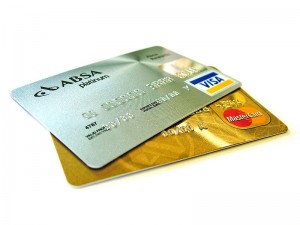 services may be restricted in certain cases.
In spite of the high degree of banking automation in Brazil, and the possibility of paying most utility bills online, many Brazilians still pay their bills at the cashier in their local bank. Therefore, be prepared for large queues at cash tills.
Banking is not free in Brazil. Most banks charge a monthly all-in fee for basic services, including a cheque book containing 20 cheques. Depending on the chosen package of services and account balances, banks award points that can be used to defray charges.
Cheque books are still widely used, especially by companies, but are being increasingly replaced by debit cards, especially for retail purchases, since many stores simply no longer accept cheques. Issuing a cheque without sufficient funds is a crime, subject to severe administrative and legal sanctions.
In many bank branches there are cheque dispensers. These function like an ATM, but they issue cheques, usually in sheets containing four cheques and are for those who don’t need or want a conventional cheque book. Customers can print out as many cheques as they need, when they need them, subject to their arrangements with the bank. This cheques-on-demand option actually saves banks money that would otherwise be spent in the printing, storage and distribution of conventional cheque books. The number of cheques to which account holders are entitled will be predetermined in the monthly tariff negotiated with the bank.