

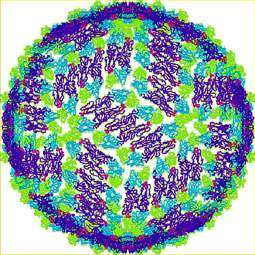
The Dengue Virus
Brazil, like many countries, has two distinct sets of health problems, the diseases of affluence’s and those of poverty, each with radically different demands in terms of policy, resources, and radically different in their visibility and ability to attract resources.
The health services in Brazil have been decentralized since the 1990s and are largely managed by the 5,700 municipalities within the 27 states of the country. The Ministry of Health coordinates the whole system and funds 75% of the total budget.
Neglected diseases are concentrated in the impoverished states of the North and North East. All the economic, health and social indicators are significantly poorer in this region. Within these areas there is also considerable geographic overlap of where neglected diseases occur lending themselves to adopting an integrated approach to tackle these diseases.
In areas with high dengue incidence rates efforts are being made to improve surveillance, decentralize vector control as well as laboratory diagnosis. Controlling dengue involves a multi-sector agenda including garbage collection, access to water, etc.
Despite the steady decline in mortality rates from schistosomiasis in the Northeastern region, highly endemic areas remain. Considerable progress has been made towards interruption of transmission of Chagas disease.
Leave a Reply